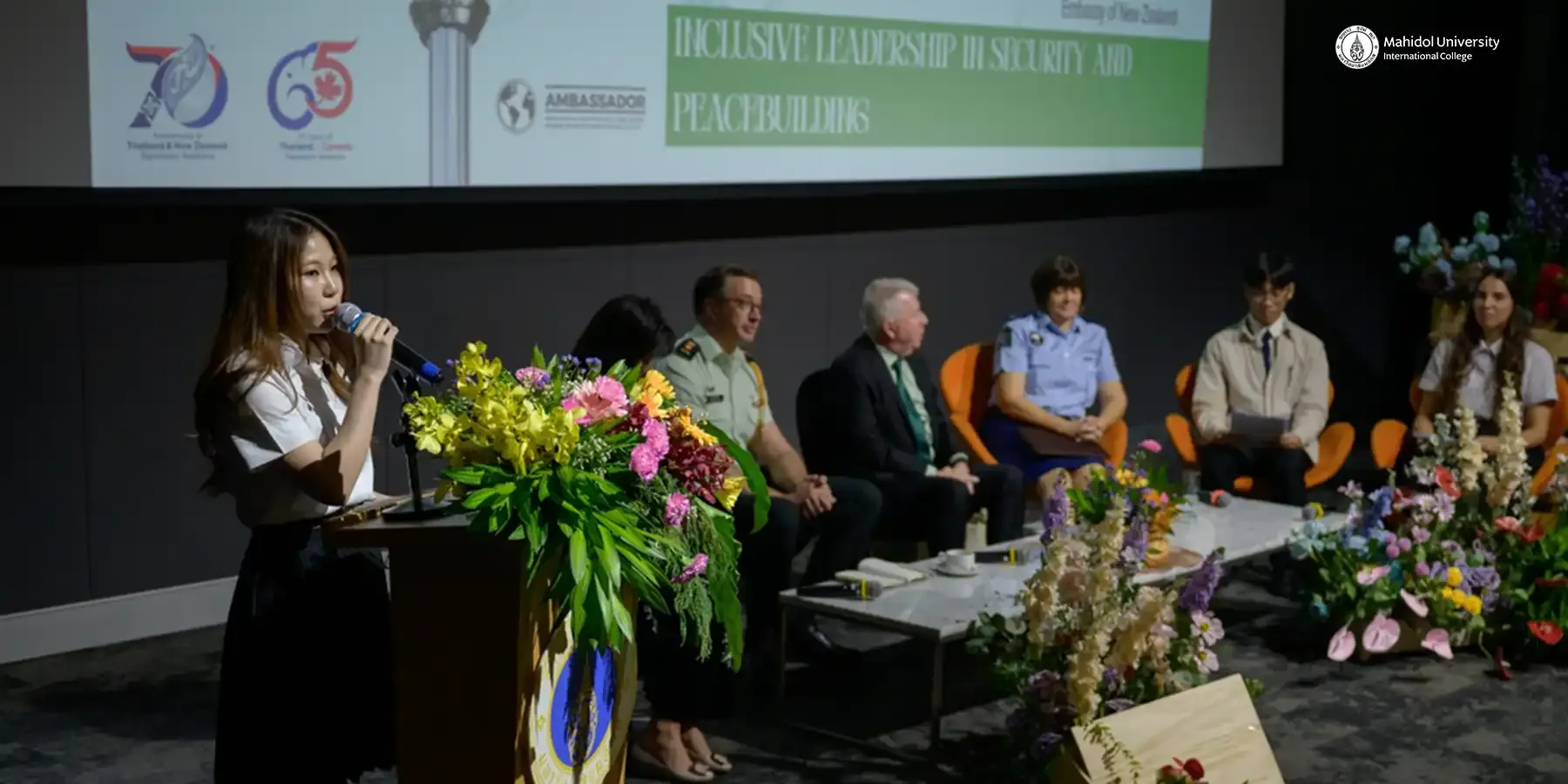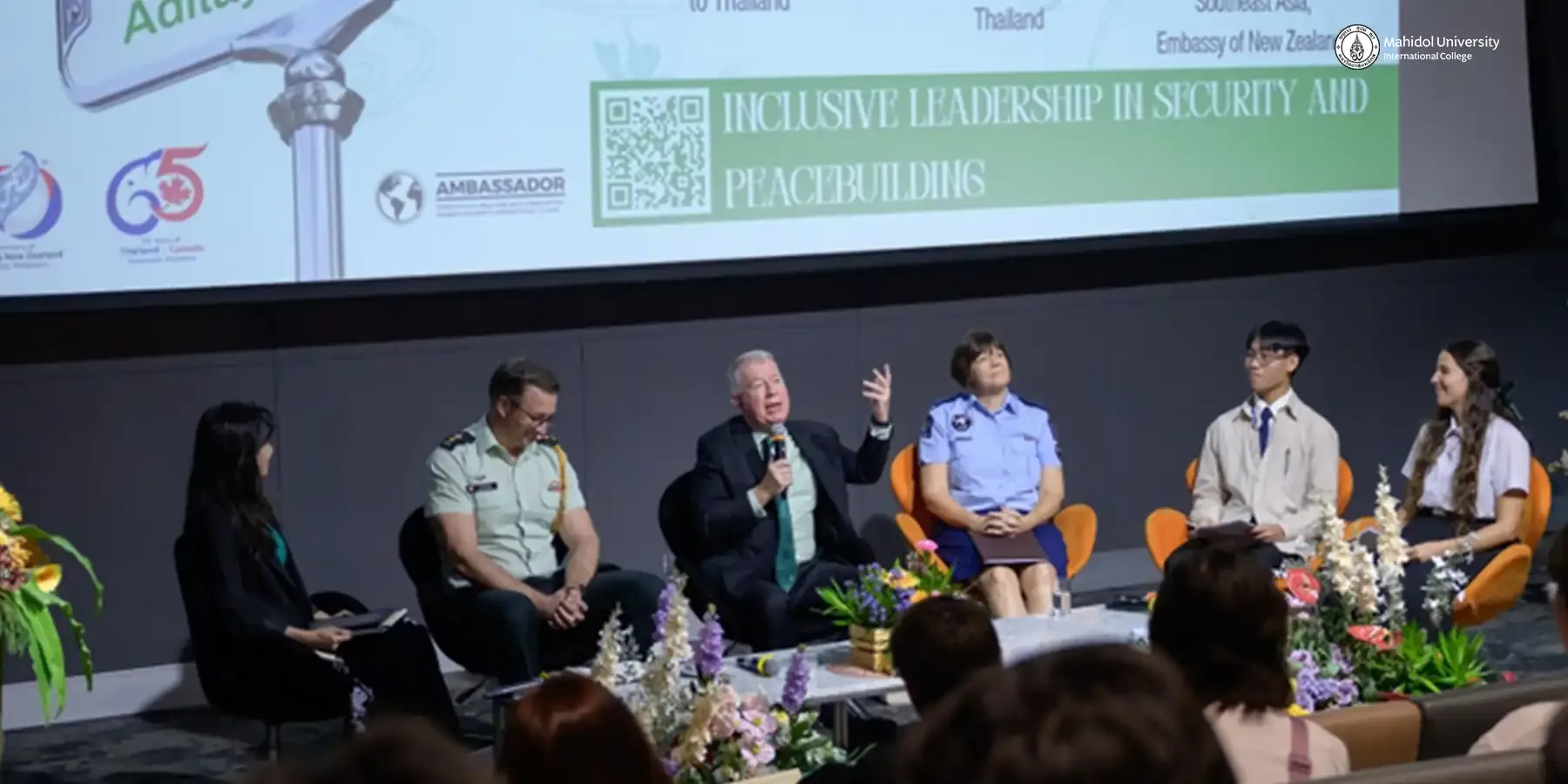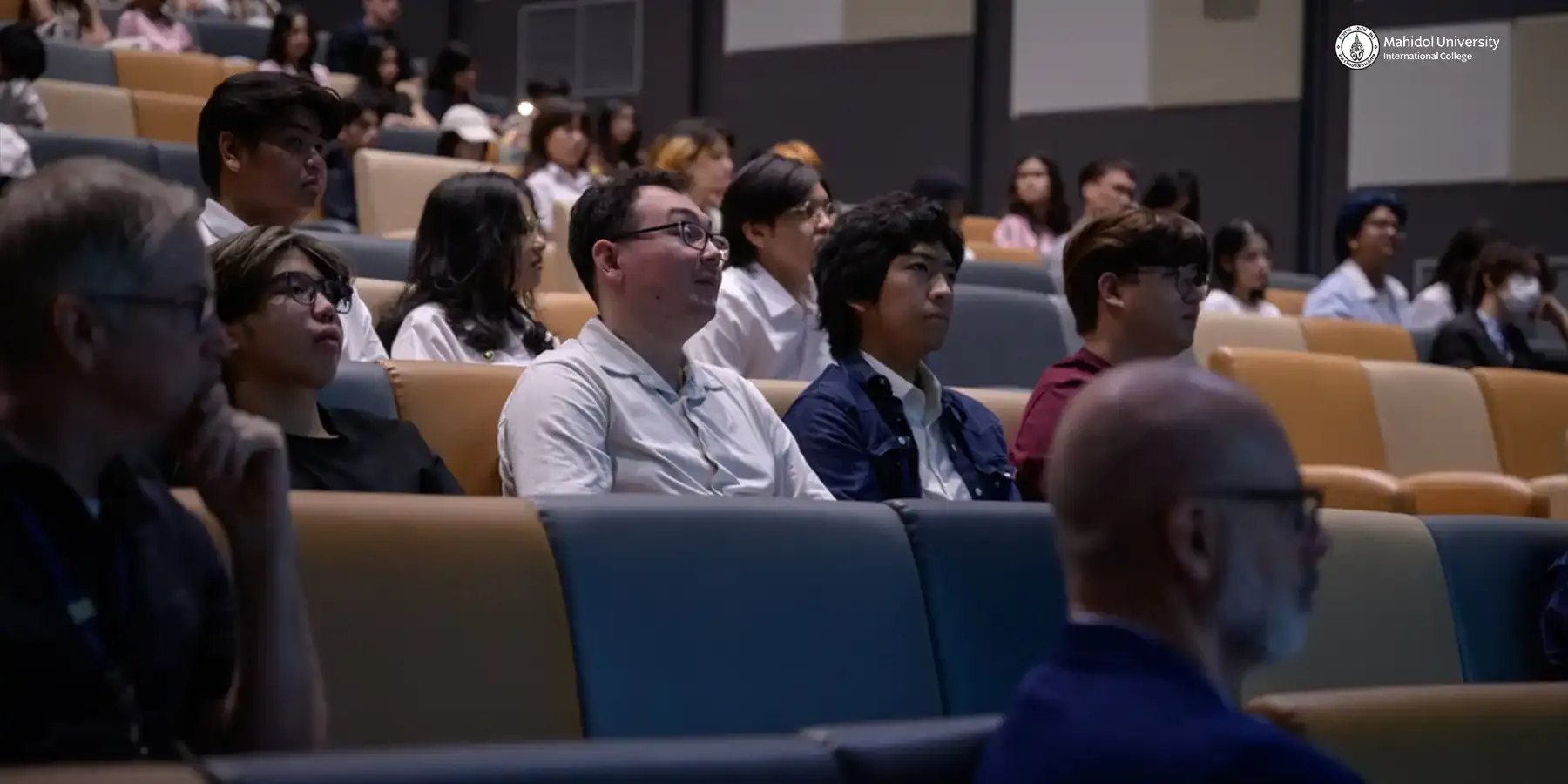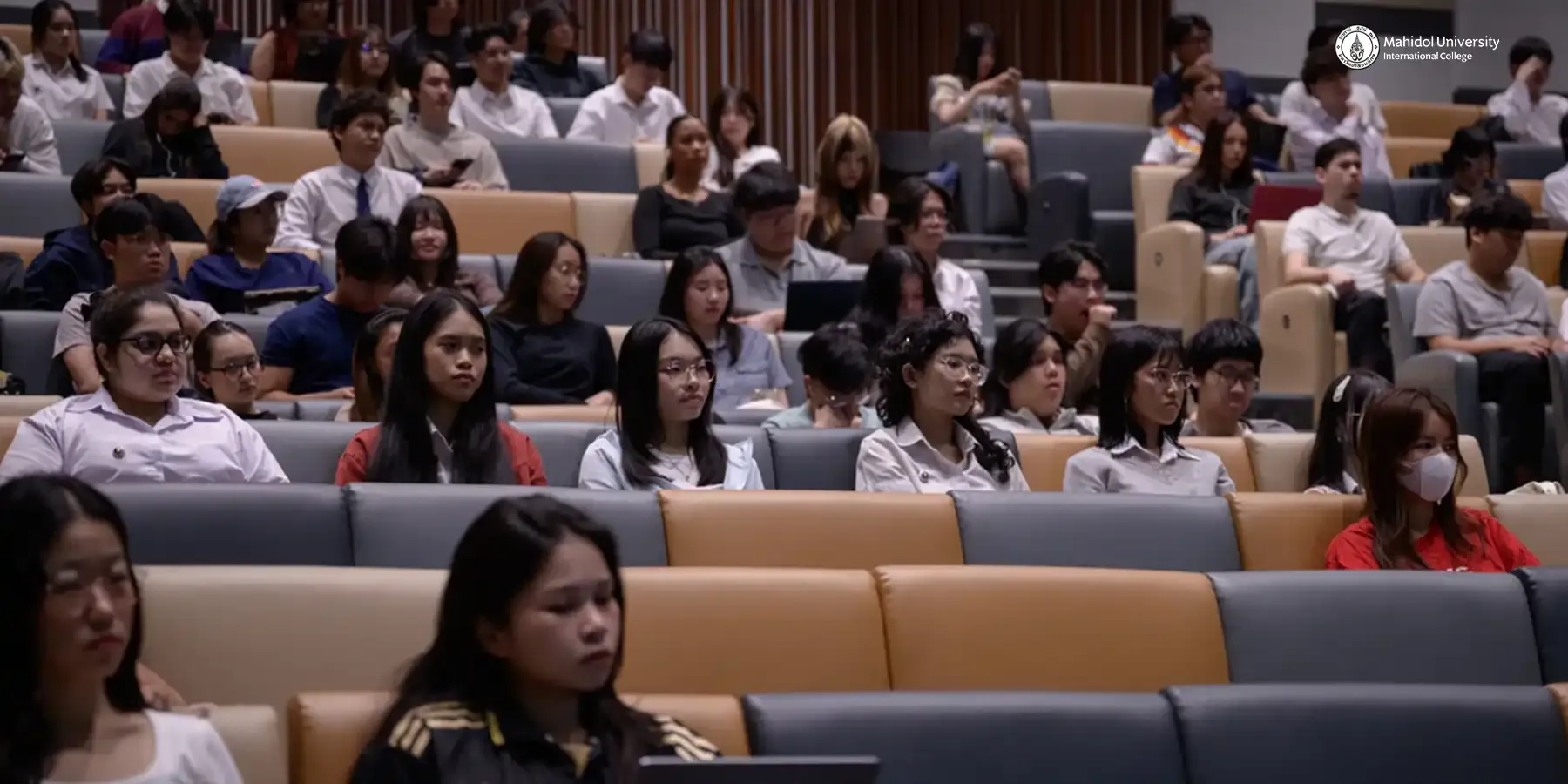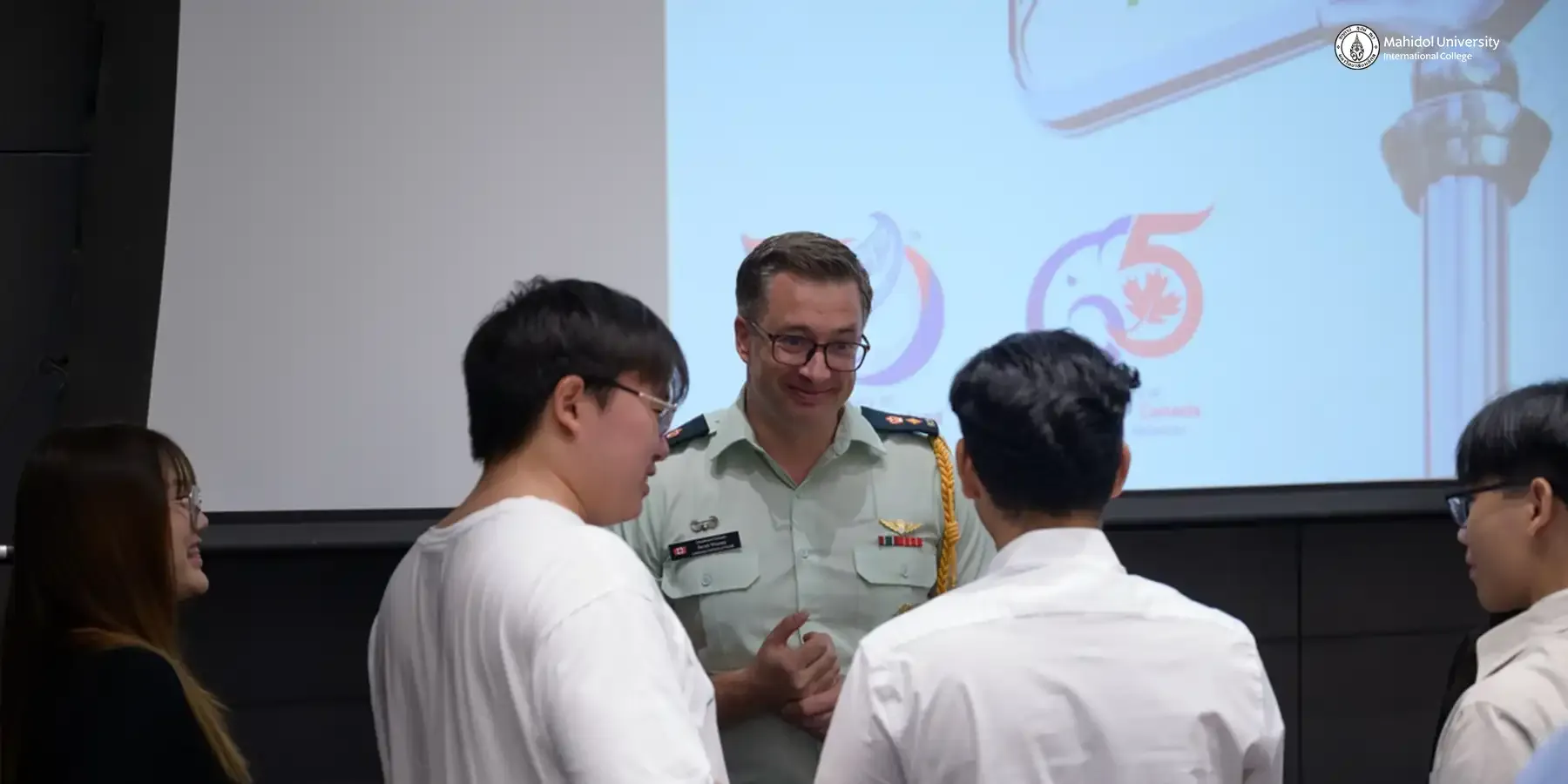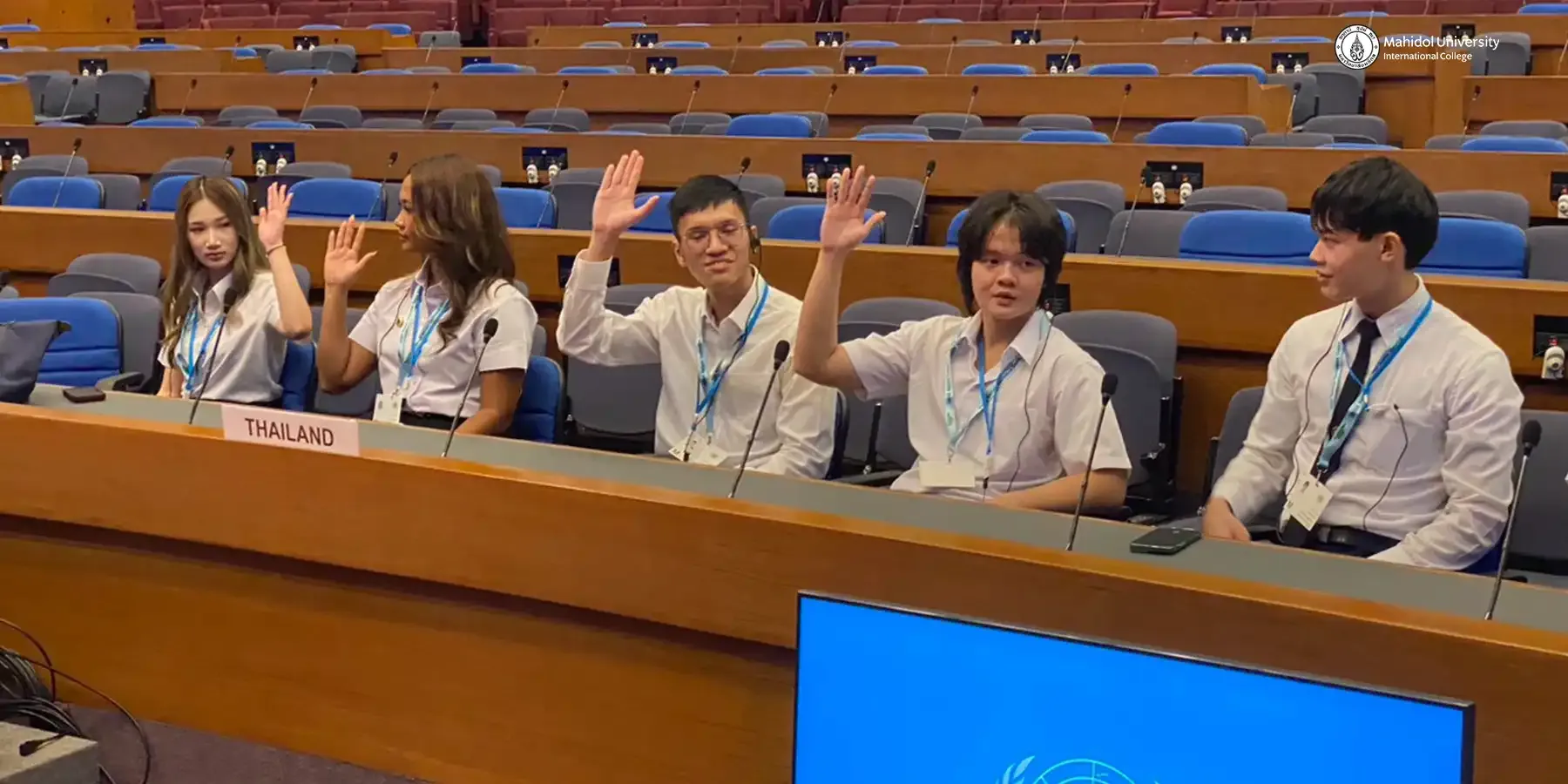



A trio of senior leaders in diplomacy, military, and law enforcement shared powerful personal stories during the "From the Field to the Embassy: Inclusive Leadership in Security and Peacebuilding" panel discussion held on June 4, 2026 to underscore a unified message: inclusion and diversity are not just policy buzzwords but essential components for effective diplomacy, international security and peacebuilding.
Speaking to an audience composed mainly of International Relations and Global Affairs (IRGA) students from Mahidol University International College (MUIC), the speakers detailed how embracing diverse perspectives and overcoming personal barriers shaped their successful careers.
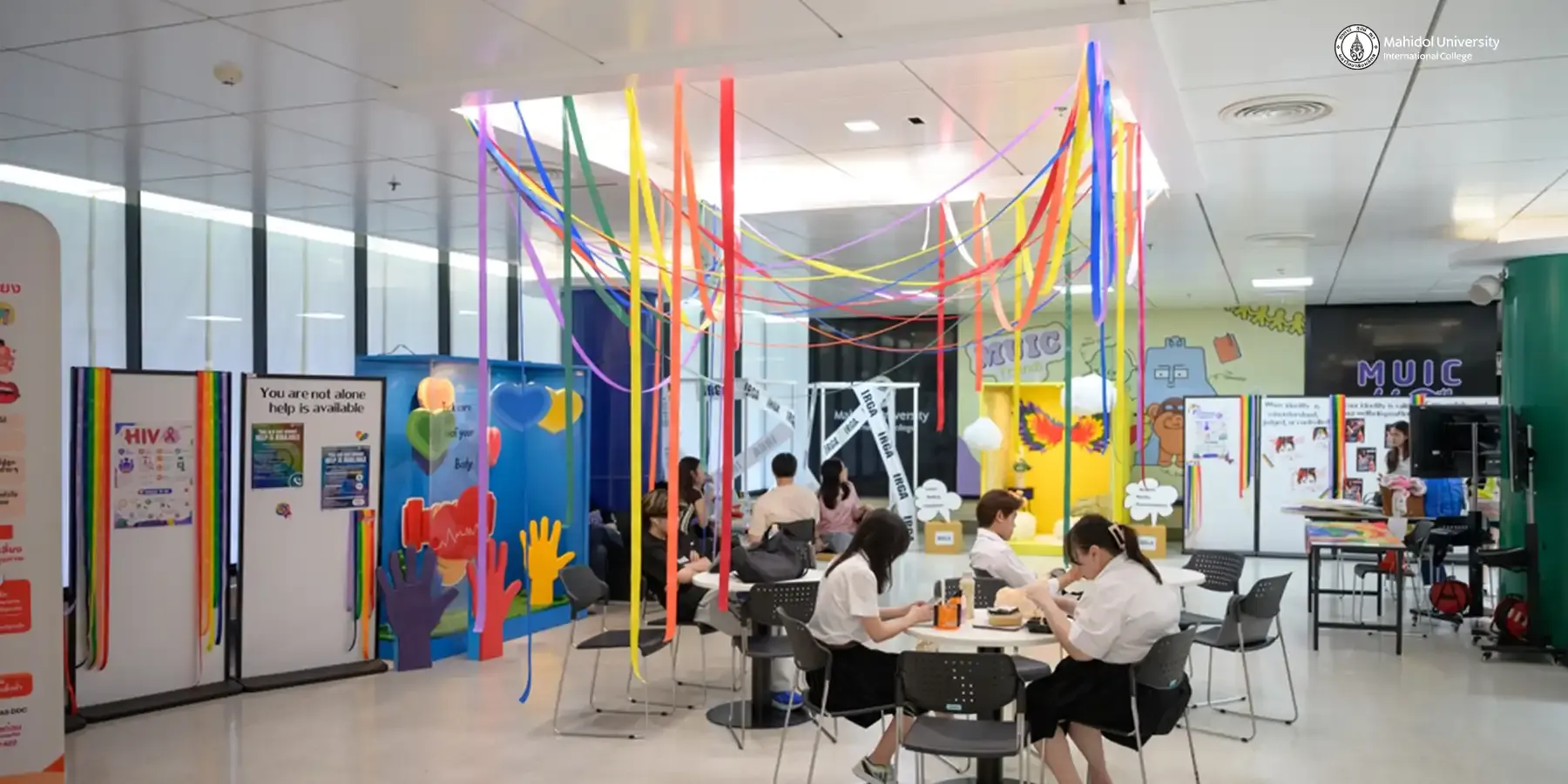
The panel featured His Excellency Pat Bourne, Ambassador of Ireland to Thailand; Lt. Col. Derek Wessan, Defense Attaché for the Embassy of Canada; and Supt. Karyn Malthus, Senior Liaison Officer for the New Zealand Police at the Embassy of New Zealand. It was the first event in IRGA’s Gender Fest 2026.
Held at the Spectrum Screening Room in Aditayathorn Building, the panel discussion was moderated by Dr. Deekana Kaiser, IRGA Program Director, along with two IRGA first-year students, namely, Mr. Nattanon Puttarangsee and Ms. Marina Gasparini. A sophomore student, Mr. Watanyu Wongwuttikai, gave the opening speech to the event.
Amb. Bourne spoke candidly about his journey from a working-class background and living with partial blindness in one eye to becoming a diplomat. He credited a teacher for instilling a love of learning that propelled him forward, stating his life story shows that "poverty can not prevent anyone from getting an education."
For Amb. Bourne, this personal experience translates directly into his professional philosophy. “Inclusion is important, whether it involves social inequality, medical handicap, or gender,” he asserted. He connected this to Ireland's national identity, citing the country's history of famine, poverty, and civil war as the foundation for its supportive and liberal foreign policies. This history, he noted, highlighted the vital role women played, leading to his country’s diplomatic corps where women now make up 60% of the force. He emphasized that qualities like empathy, along with knowledge, skills and talent, are what make women crucial in diplomacy.
His core advice to students was one of empowerment: “You can go wherever you want to go... if you work hard.”
Lt. Col. Derek Wessan revealed that he originally wanted to be a social worker before joining the military, choosing the infantry because he saw it as a way of “taking care of your people.” This people-centric view was broadened during his time at the Canadian armed forces’ command and staff college, where one-third of his cohort was composed of international students, mostly from the Asia-Pacific region. Initially out of his comfort zone, he said he soon appreciated how this exposure to diverse viewpoints enhanced his decision-making skills.
“The military is based on hierarchy and tradition,” Lt. Col. Wessan explained, “but it’s important that the military leadership absorb different views.” He argued that for an organization to be effective, leadership must champion inclusion and meritocracy. “Adopt meritocracy regardless of gender, race, etc. Qualification should be the priority. This is good for the organization,” he stated.
Reflecting on a career that blended military and diplomatic tasks across Asia, his advice to students was direct and motivational: “Just do it.” He encouraged them to find fulfillment in being part of something greater and achieving goals by working with diverse colleagues.
Supt. Karyn Malthus, who was inspired to join the police by a female neighbor who was a law enforcement officer and the US TV show “Hill Street Blues,” shared her perspective from the world of law enforcement. Rising through the ranks from the front lines to the Criminal Investigation Division, Supt. Malthus noted the significant evolution of the police force itself.
“Before, police had a strict criteria,” she recalled. “Now, it is more considerate and has more inclusion.” This shift, she explained, is critical for the police to genuinely become part of the community it serves. Supt. Malthus, who worked on high-profile cases like the "Roast Busters" investigation in 2013, stressed the importance of personal integrity in a demanding career.
Her advice to the students was to focus on their core principles. “Values are important,” she said.
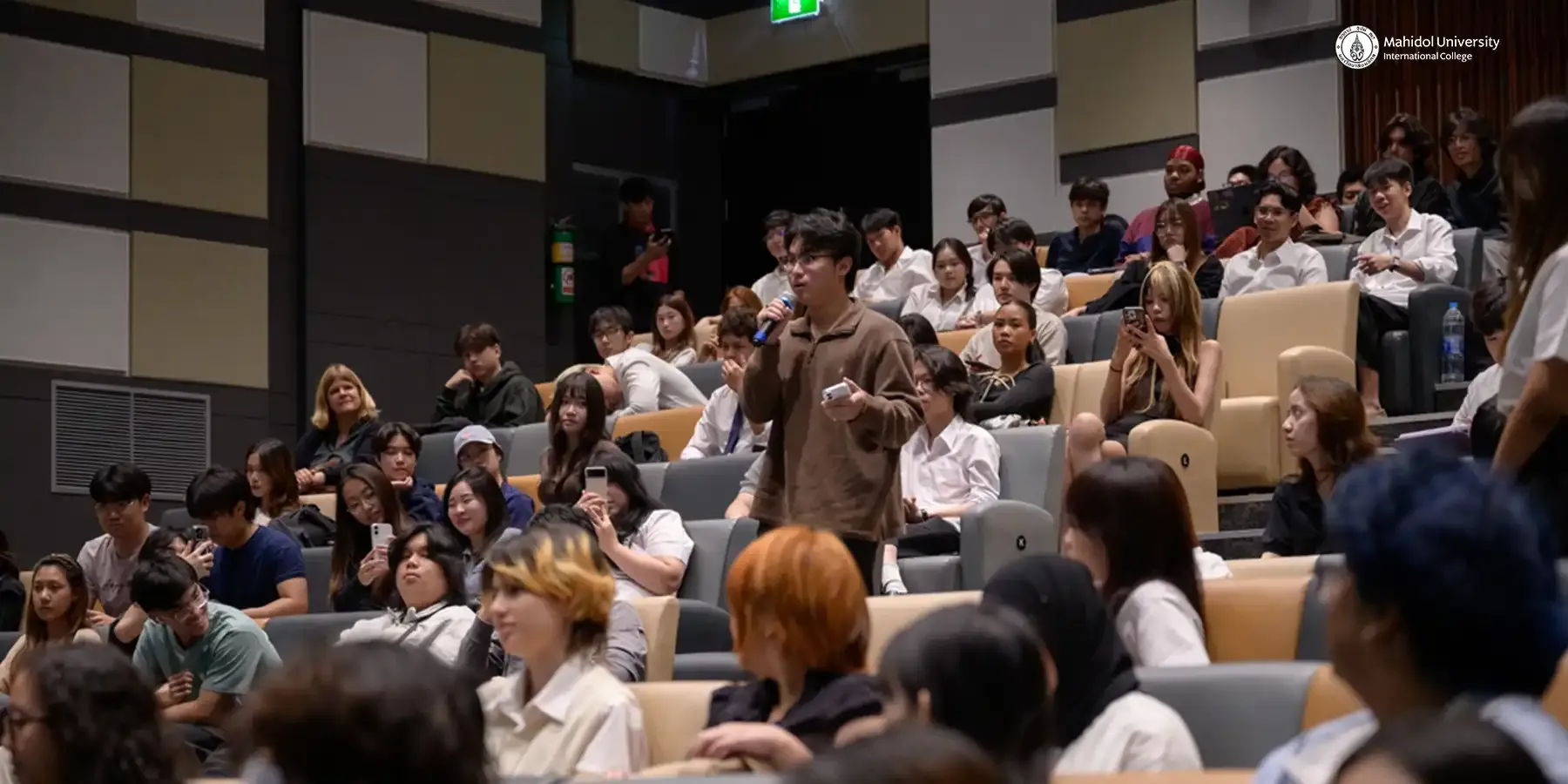
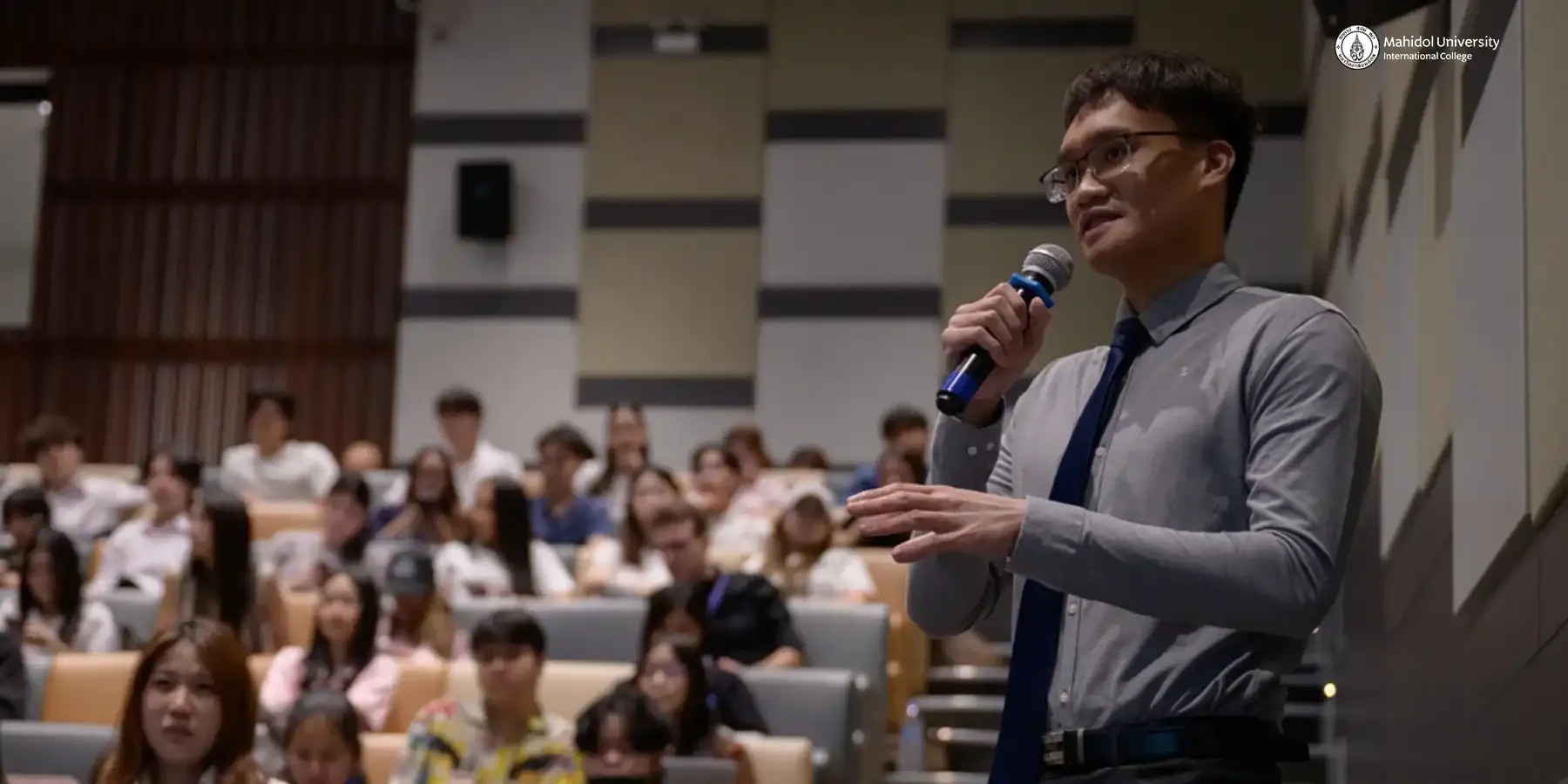
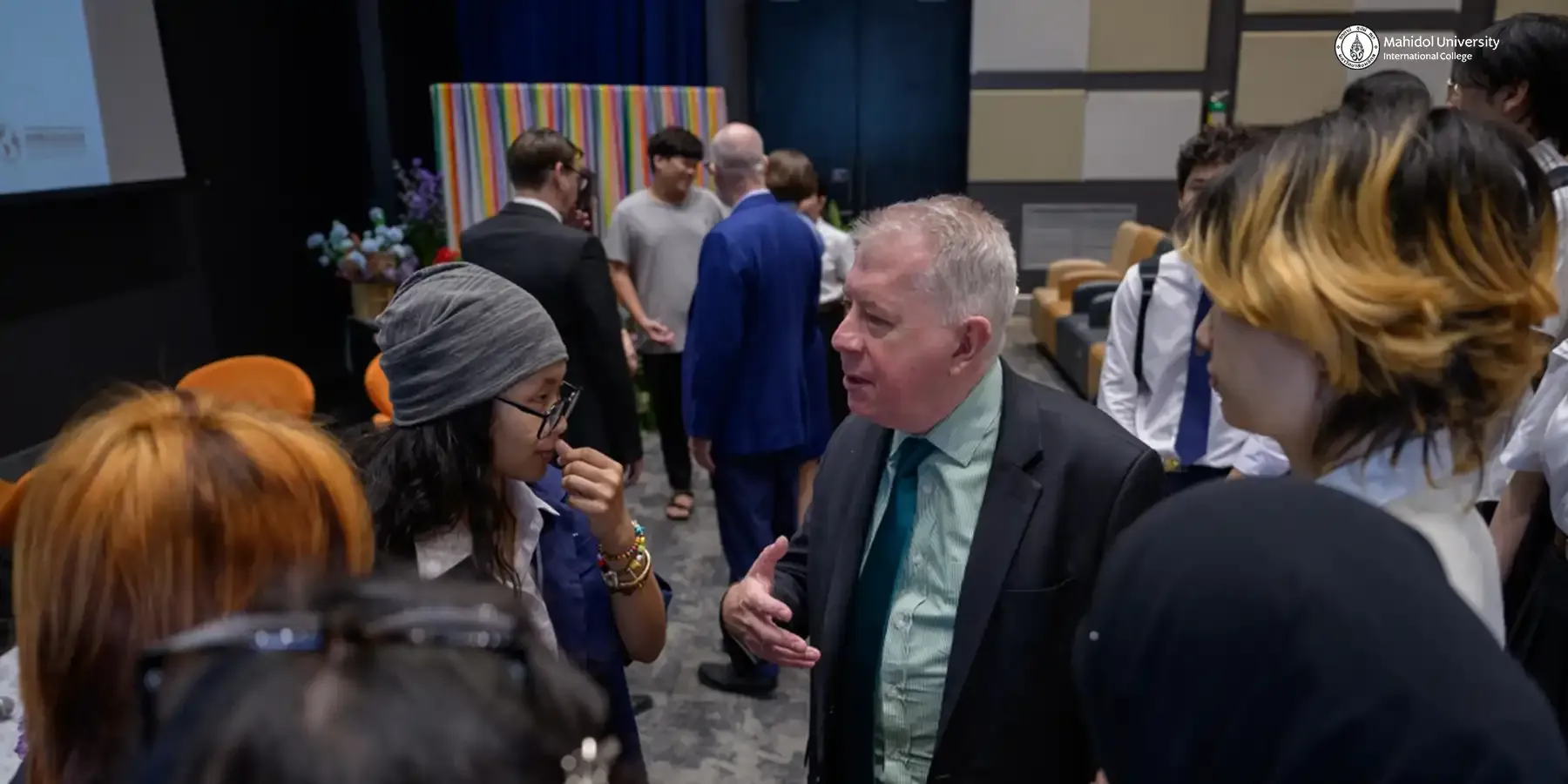
The subsequent open forum gave the students more opportunities to interact with the panelists on the topic of inclusion and diversity in their respective occupations, providing them with insights on building their own career paths in the coming years.