


Mirror Moment: Student Reflections in Service Learning
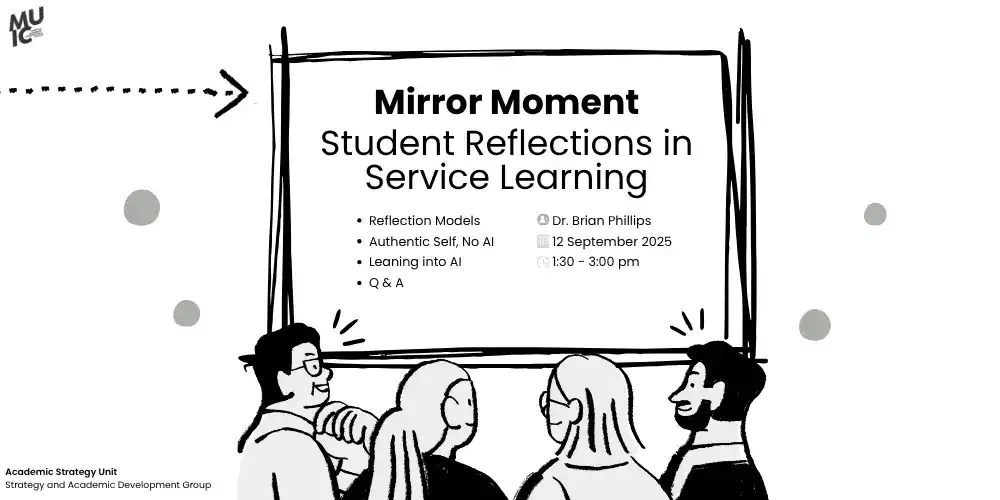
Date & Time: Friday, 12 September 2025 from 1:30 to 3:00 pm
Venue: Via Zoom
Conductors: Dr. Brian Phillips
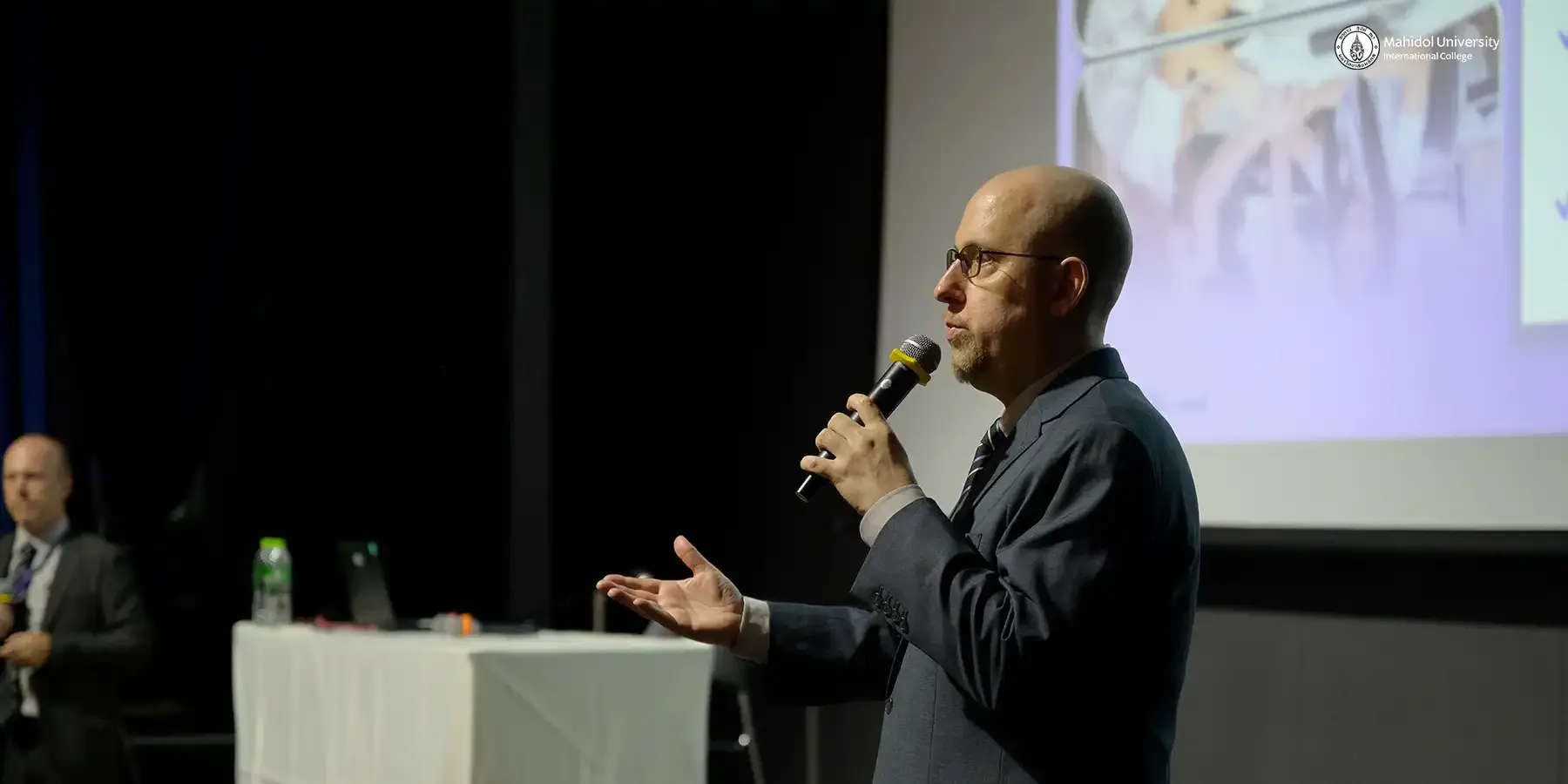
The workshop “Mirror Moment: Student Reflections in Service Learning” centered on how educators can guide students to reflect meaningfully on their experiences, remain authentic in their learning, and use artificial intelligence responsibly. The session, led by Dr. Brian Phillips, explored practical reflection models, ways to promote genuine self-reflection without overreliance on AI, and strategies for thoughtfully integrating AI into reflective learning.
Reflection in service learning helps in turning experiences into learning. It helps students process emotions, connect theory with practice, and find meaning. The session introduced several models, with Kolb’s cycle and the ABC model standing out for their simplicity and repeatability. DEAL and Gibb’s six‑step model were mentioned but considered too complex for quick use.
The speaker stressed that not all students naturally refleced well, so prompts must be specific and personal. Writing by hand, weekly journals, and guided discussions can make reflections more authentic and harder to fake with AI. A key challenge is spotting polished but flat AI‑generated responses, which often lack personal detail. To counter this, lecturers can design tasks that require references to specific in-class experiences, group interactions, or emotional reactions that AI would not know.
Rather than rejecting AI, Dr. Brian suggested using it thoughtfully—for generating prompts, feedback, or supporting verbal reflection. Tools like Canva, Padlet, Miro, and NotebookLM were shown as ways AI can help with visual or collaborative reflection. In the end, reflection is both emotional and intellectual, and while AI can help, lecturers must create conditions for genuine self-awareness, creativity, and ethical engagement with technology.