


Date & Time: Saturday, 26 September 2020 from 9.00 a.m. - 12.00 noon
Conductors: Mr. Wesley J. Przybylski, Learning Data and Assessment Specialist, The American School in Japan, Tokyo, Japan
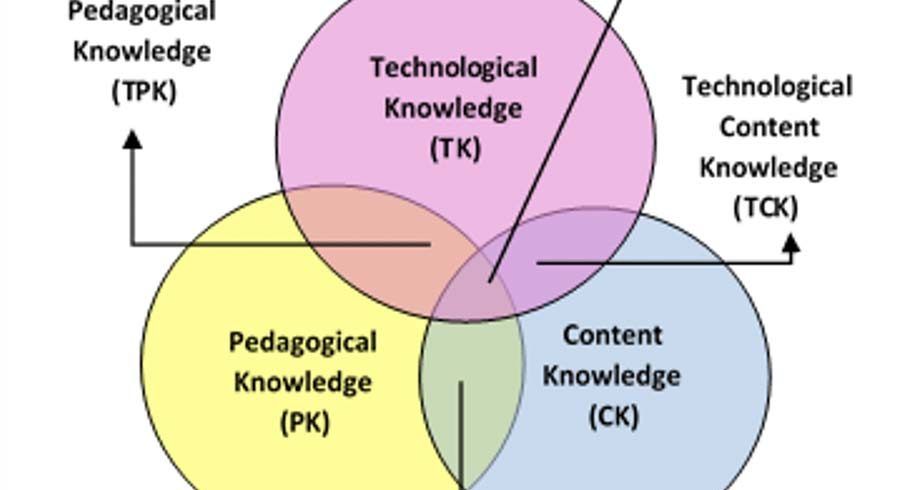
Strategy and Academic Development Section under the Ofice of Academic Affairs held its 2nd Zoom-based workshop for the academic year 2020-2021. The title of the workshop was ‘Effective Educational Technology Tools for Assessments’ and was conducted by Mr. Wesley J. Przybylski, Learning Data and Assessment Specialist from the American School in Japan. The aim of this session was to introduce effective tools for online assessments. Since increasing number of institutions now offer web-based course, instructors face a number of challenges which need to be identified in order to figure out the effective practices to develop and gain empirical data needed to improve courses. In this digital education era, there is a growing demand of using incorporate technology as well as continued focus on content and its effective delivery, a model called ‘Technological Pedagogical Content Knowledge’ or TPACK. This model was developed and introduced to help instructors implement educational technology in their classes. The three types of knowledge, TK-PK-CK, are independently combined and recombined within the model. When TK, PK, and CK are combined with TPK, PCK and TCK, they form triangulated areas creating TPACK, which reflects the relationships among all three areas where teachers are performing. However, a succesful online course doesn’t rely solely on the best content, the pedagogy or the tools used, but also on the assessment method. Assessment of student learning is considered one of the focus area that deserves special attention, as it is an important to demonstrate the accountability of educational institutes towards the stakeholders. It represents the nature of the course ranging from the reasons for creating the course to the choice of topics taught. It also works as an evidence of learning and working accredited as required by programm of study. Deciding on type of assessment and the difficulty level to use in the course must be considered at the early stage of learning design. It allows audience to know what they can expect and at what level they achieve at the end of the course. When the lecturers and targeted learner share the same values, it’s easier to encourage learning and improve outcomes. Moreover, the effective tools are also needed when assessing student online, e.g., quizzes, poll, rubric. This can vary from course to course or audience to audience.
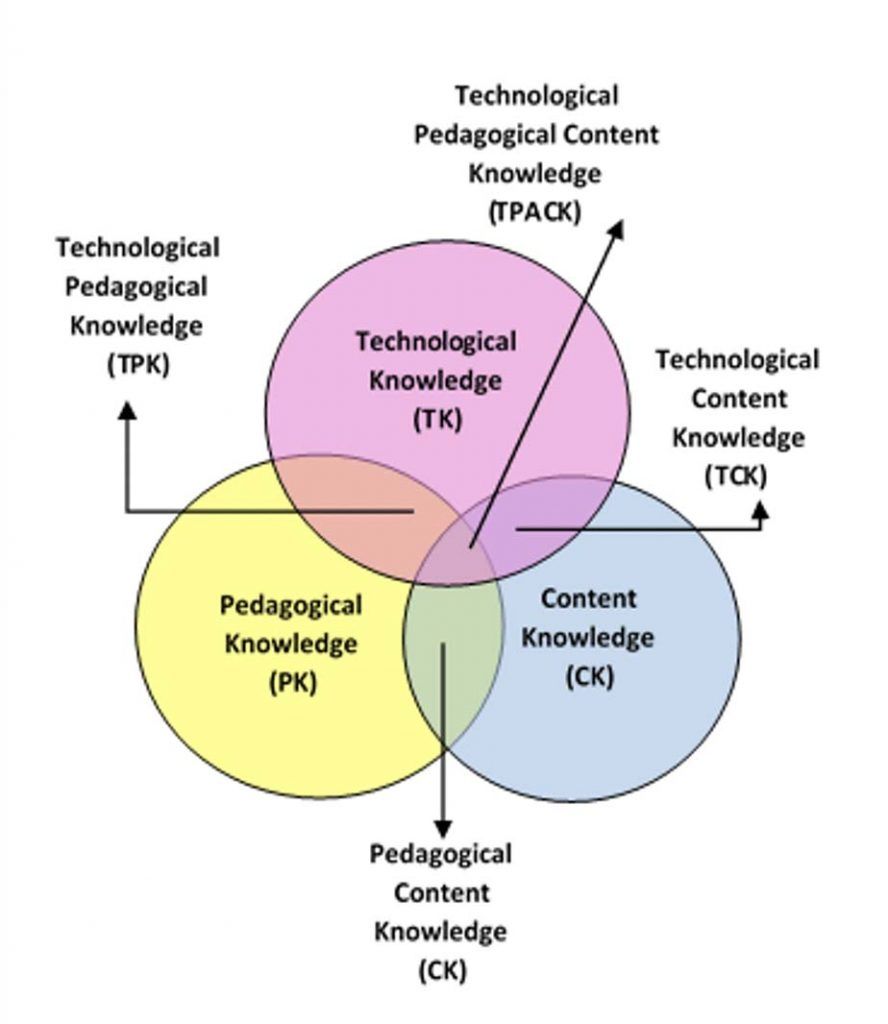
Adapted from: TPACK Framework (Mishra & Koehler, 2006)
When the course turns online, students are responsible for initiating the learning process. As a result, their learning experience shifts from classroom-based to technological-based, and teacher-centered model to student-centered model. So when choosing some kind of assessment method, rather than what lecturer want to do, deliver, use or assess, assessments become more relevant and purposeful when the focus is shifted to students’ performance and their ability to demonstrate what they have learned.